
Sugar beet pulp: from agricultural waste to a strategic industrial molecule
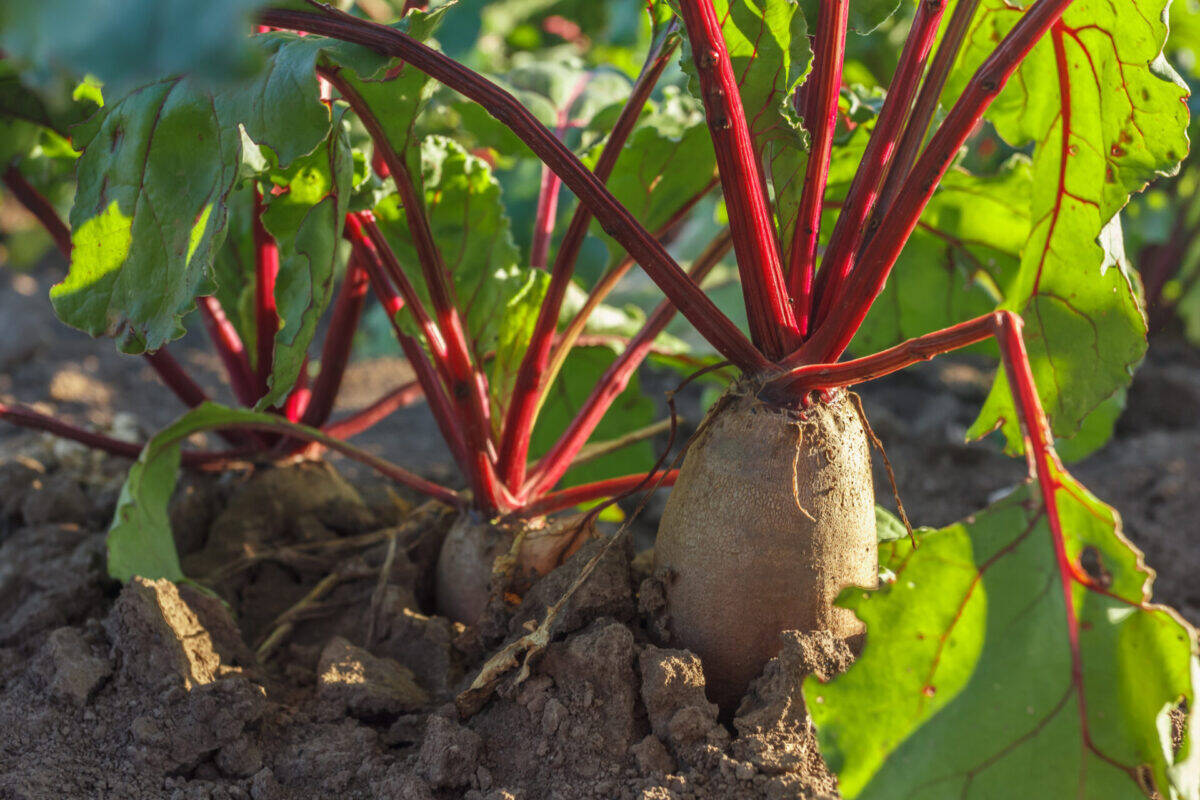
5-hydroxymethylfurfural (5-HMF) is one of the most sought-after molecules in the chemical industry. Versatile and high value-added, it lies at the heart of green chemistry‘s ambitions. The problem: it is still produced mainly from fructose and glucose derived from food crops, often imported from abroad. Supported by Carnot MICA, the BIOVAL project brought together researchers from the ICPEES laboratory and the private research centre RITTMO to change the game: producing this strategic molecule from sugar beet pulp — the residue of the sugar industry that usually ends up in cattle feed.
Beet pulp at the heart of an innovative process
Millions of tonnes. That is how much sugar beet pulp is produced in Europe every year — a residue of sugar extraction, today largely underused. Yet this waste could become an opportunity no one had truly seized.
This is where BIOVAL comes in. By developing a catalyst capable of converting this pulp into 5-HMF, researchers at ICPEES have opened an unexpected pathway. Even better: where the conventional process requires 90 minutes at 140°C and an organic solvent, microwaves achieve the same result in 10 minutes, solvent-free, in water. The first results are in — obtained without even optimising the parameters. The room for improvement is enormous. As for the reaction residues, they were tested for soil application: no harmful effects detected on micro-organisms, though further testing is still needed for a complete ecotoxicity assessment.
From sugar beet pulp to 5-HMF: the BIOVAL process
Solid acid catalyst
5-HMF
Organic phase
Fraction analysed by ICPEES

Sugar beet pulp
Cellulose
Fructose
Glucose
Microwaves
10 min · solvent-free · in water
Aqueous phase
Valorisation & ecotoxicity
Solid residue
Soil application
A process designed for industry
BIOVAL did not stop at 5-HMF production. From the outset, the project integrated the question of reaction residues, studied for their return to the soil. Reaction waste becomes an agricultural resource. The model is thus designed to be viable end-to-end:
- A local, abundant raw material, with no competition with the food supply
- Electrified processes (microwaves, induction) reducing energy consumption
- Recoverable residues, with no environmental impact
- Technology transferable to other cellulosic feedstocks, including textile waste
The spectrum of 5-HMF applications
Versatile and bio-based, the 5-HMF molecule opens up concrete opportunities across many industrial sectors.
Pharmaceuticals
Synthesis intermediate in drug manufacturing.
Textiles & dyes
Bio-based dyes for the textile industry.
Bio-based packaging
A plant-based alternative to fossil-derived plastics.
Food flavourings
A molecule naturally present in processed foods.
Biofuels
A second-generation biofuel with high energy density.
Solvents & acids
2,5-furandicarboxylic acid, a key derivative of 5-HMF.
Resins & materials
Production of bio-based polymers and high-performance resins.
Promising prospects
Proof of concept is validated. The next steps aim to improve yields, test other substrates, and confirm the safety of the residues at a larger scale.
I encourage industry partners to take the plunge. The initial results are encouraging and pave the way for local, shorter, and more sustainable supply chains.