
Nano-inks
A technological breakthrough driven by IS2M and BIC
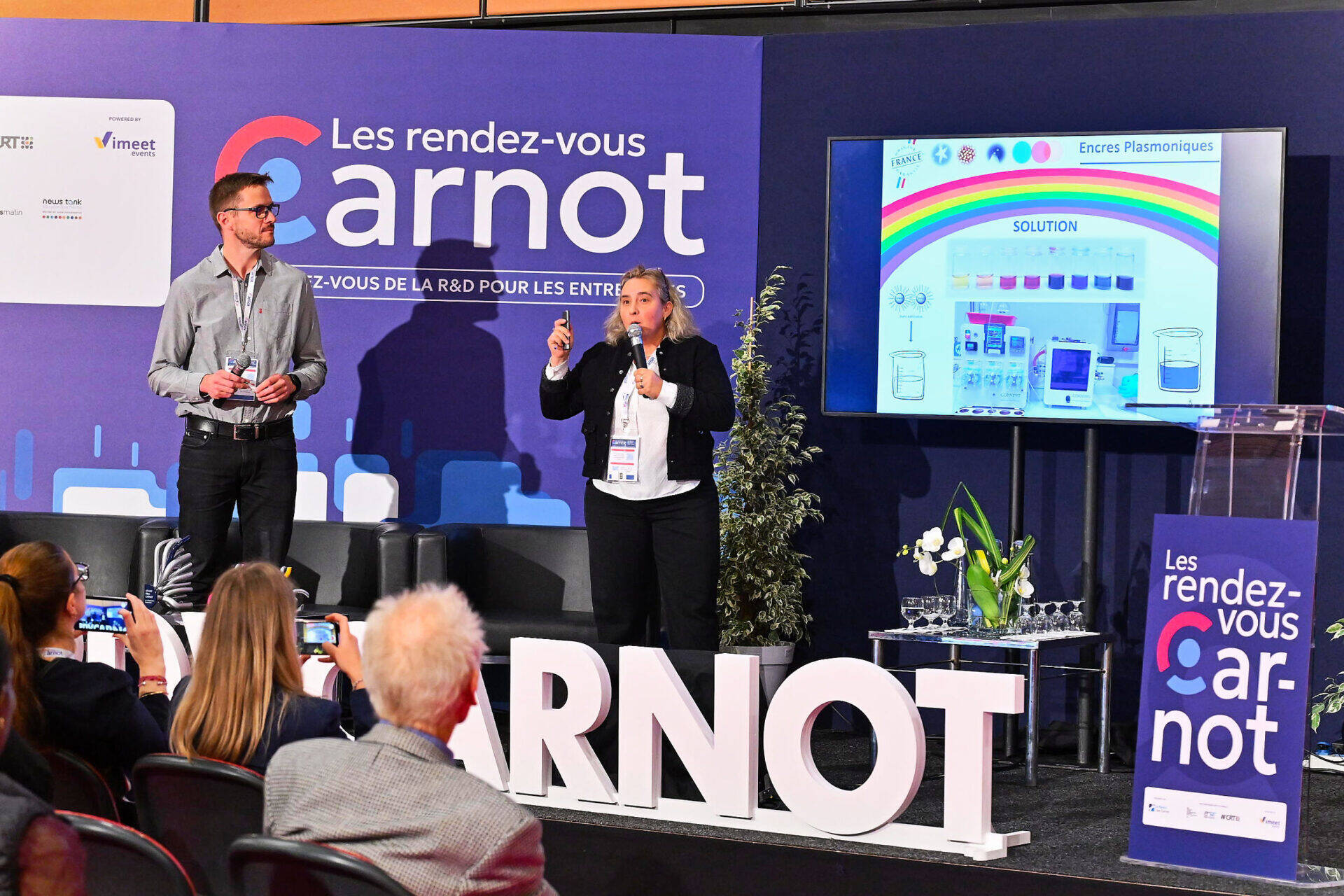
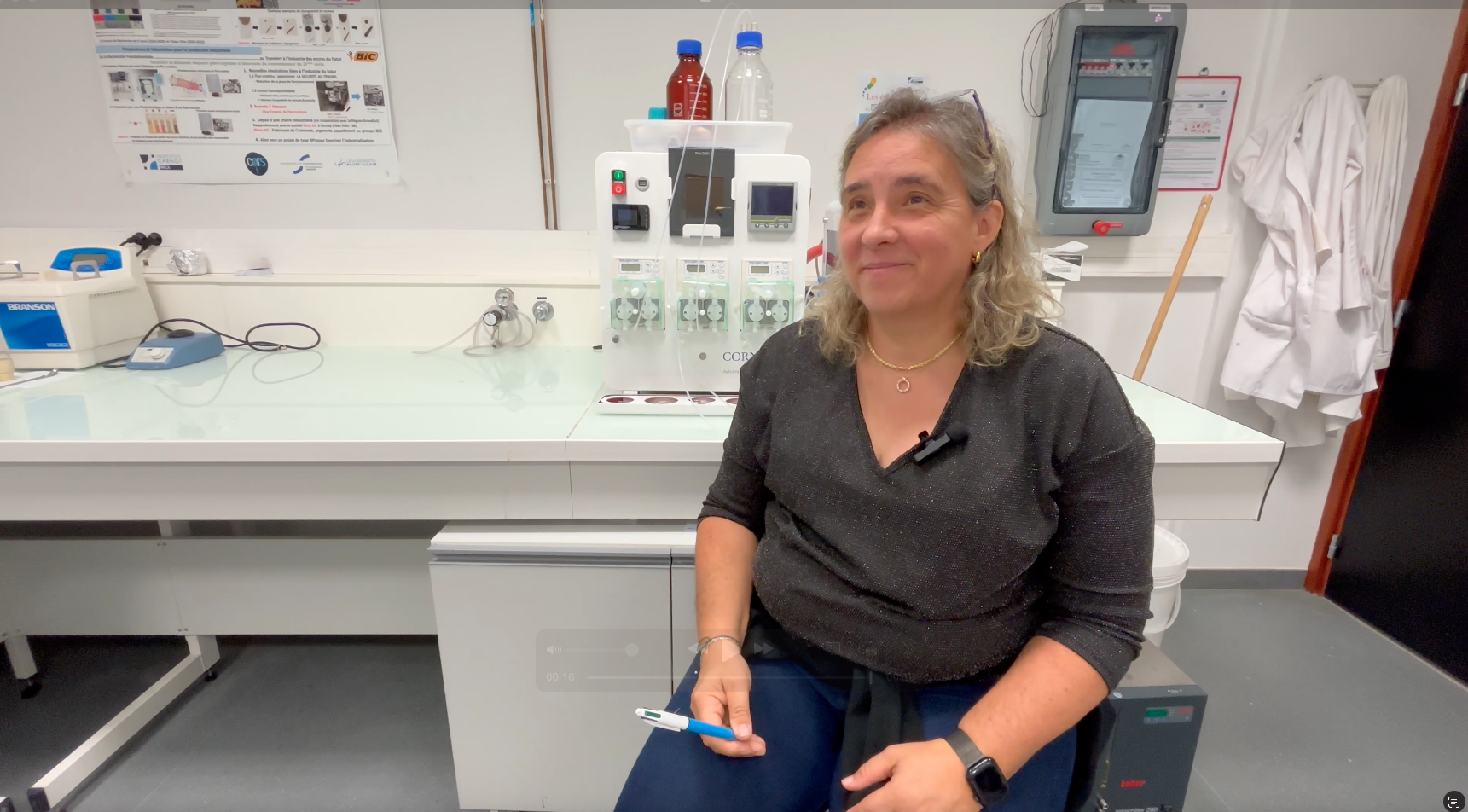
Nano-inks developed by Karine Mougin, Associate Professor at IS2M and member of the Carnot MICA, represent a major advancement in the field of functional materials and color. Resulting from a strategic partnership between IS2M and BIC, these plasmonic inks are based on an innovative hybrid material formulated without traditional pigments or dyes. For industrial players, this technology offers an opportunity to reinvent color while addressing sustainability and performance challenges.
Nano-inks: pigment-free, sustainable and multifunctional color
Nano-inks rely on durable nanomaterials synthesized through eco-friendly processes. Their key feature: they can produce the full range of colors without using any pigments. Color arises from a controlled plasmonic effect, delivering remarkable intensity, with either stable or tunable color depending on the formulation.
This innovation meets today’s eco-design expectations: reduced waste, removal of regulatory labeling constraints, improved recyclability and enhanced safety. For BIC, operating in a highly regulated environment, these inks pave the way for a new generation of sustainable, high-performance products aligned with green chemistry best practices.
Industrial applications of nano-inks and market outlook
Nano-ink applications span a wide range of industries: healthcare, sports, construction, coatings, medical, pharmaceutical, defense, anti-counterfeiting, and more. They are relevant wherever materials and their functionalities are critical.
Beyond color, the nanomaterials used in these inks enable the development of a new generation of sensors: force sensors, humidity sensors with color change, and pH sensors. They can also be integrated into functional films, including food-grade materials, or used as carriers for drug delivery.
Discussions are ongoing with several industrial players in the coatings, sports and apparel sectors, highlighting strong market interest.
This technology not only meets the innovation needs of the 21st century but also helps strengthen the competitiveness of companies engaged in the industry of the future.