Light–Matter Interactions
Exploring the potential of radiation–material interactions
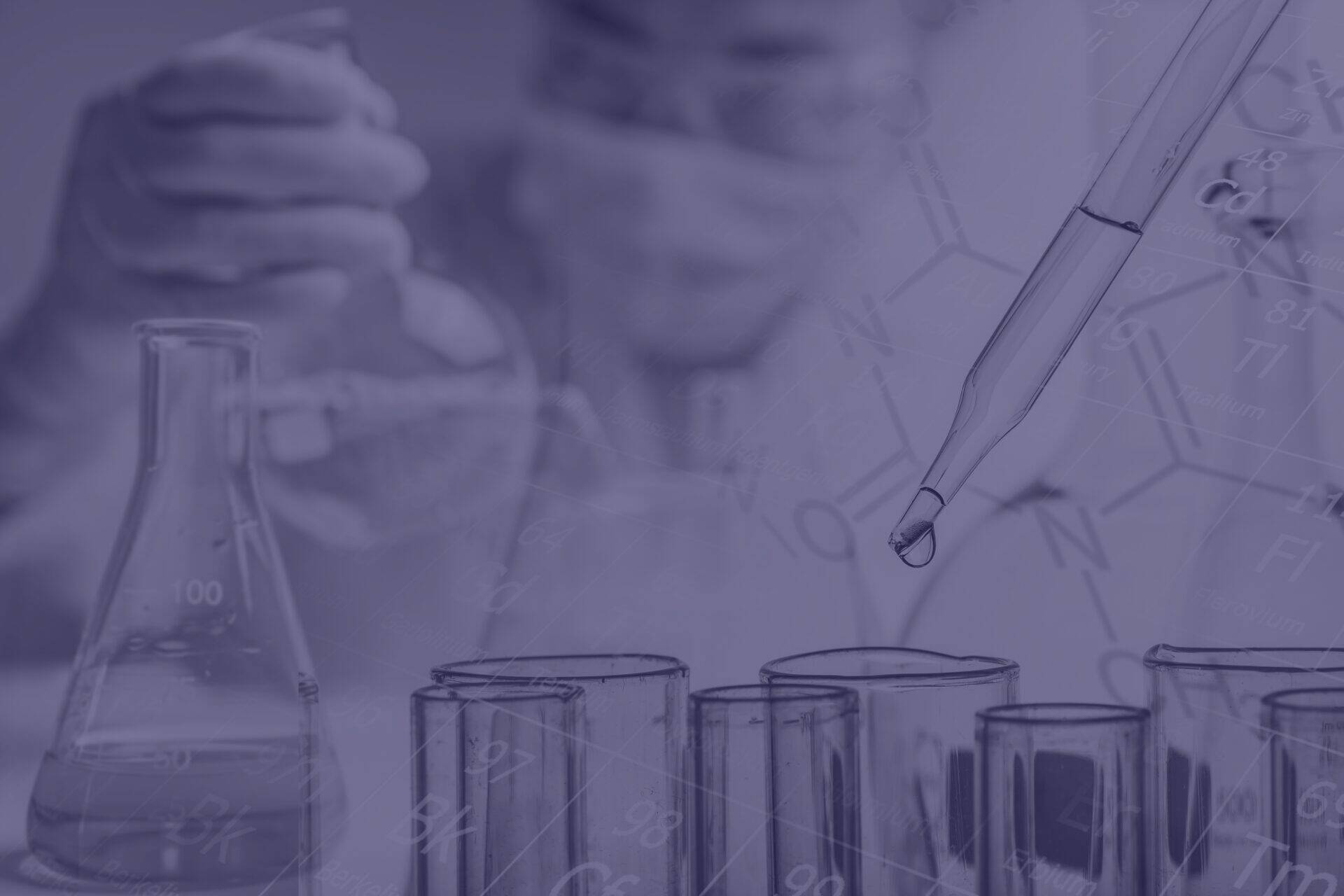
Carnot MICA leverages its unique expertise in light–matter and radiation–material interactions to open new perspectives for innovation. Whether modifying surfaces, enhancing durability, or creating novel properties, our solutions help companies develop more competitive and high-performance products.
Photopolymerization and light-based technologies
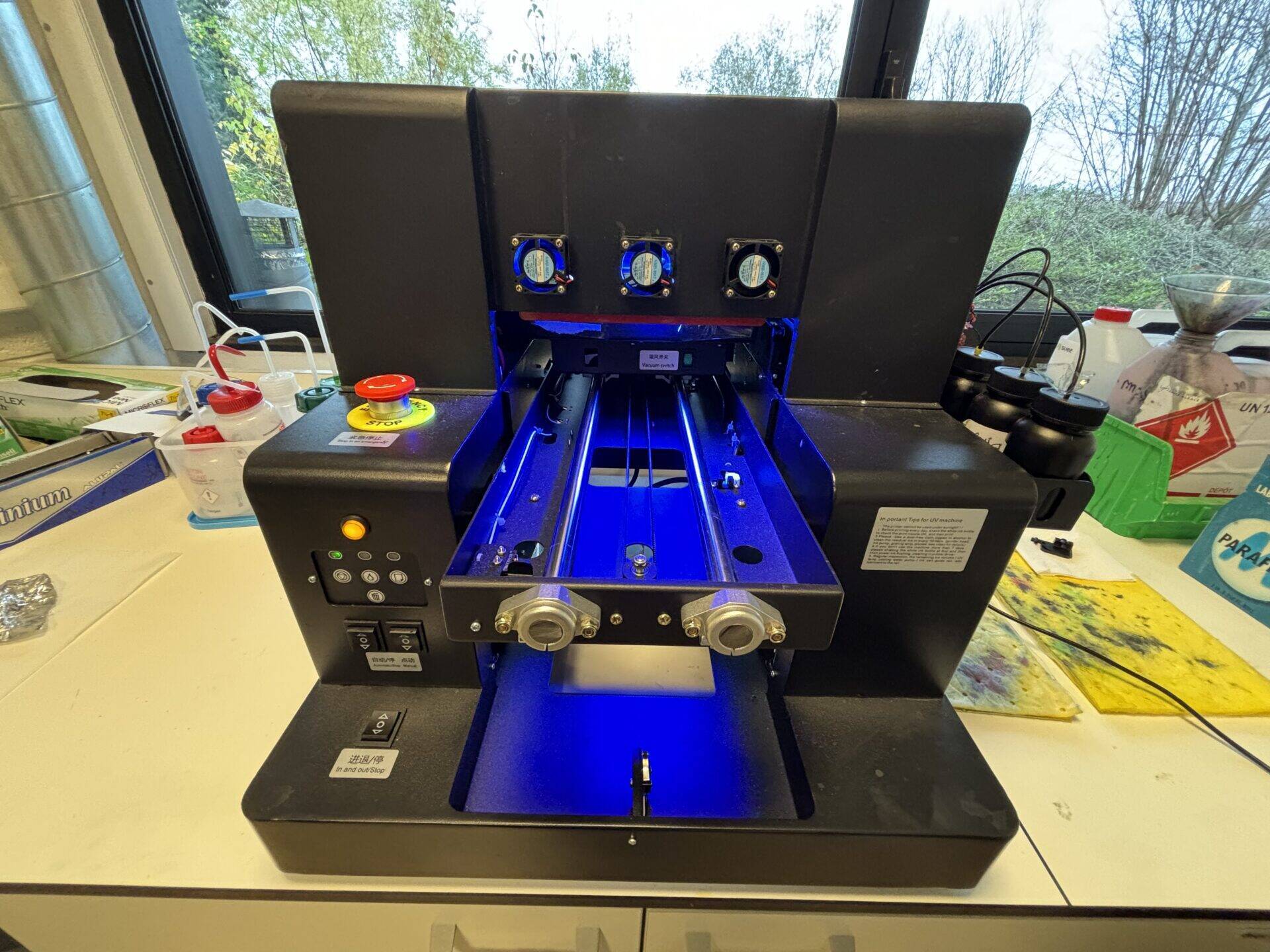
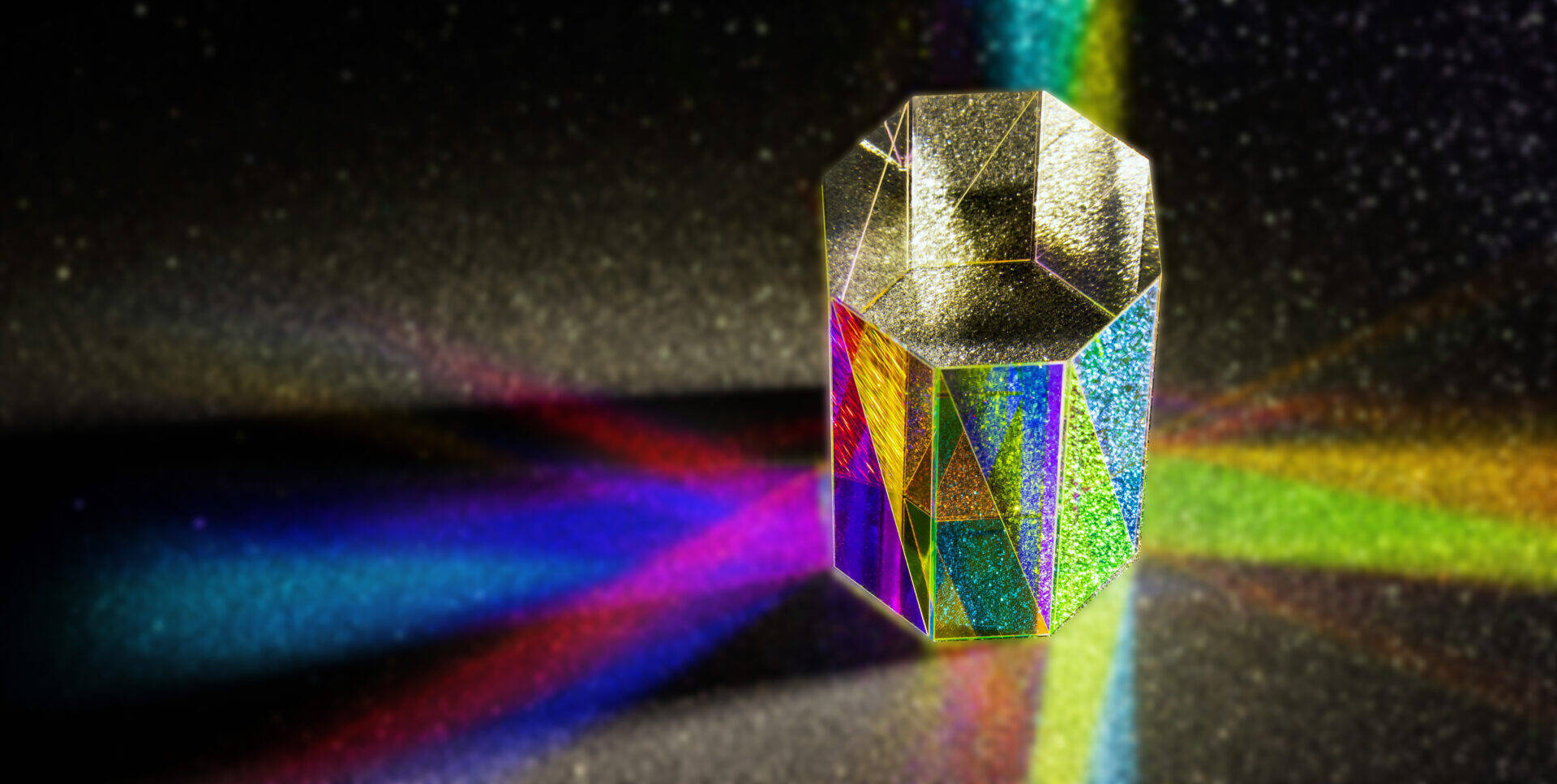
Our teams use photopolymerization, UV, LED, and artificial photosynthesis to activate and transform materials. These processes provide new functionalities, reduce production costs, and follow environmentally responsible practices.
Laser applications in materials
Carnot MICA masters laser technologies for treatment, cutting, functionalization, and surface modification. These solutions deliver unmatched precision, reduce material waste, and enable faster, more efficient manufacturing processes.
Plasmas and innovative surface treatments
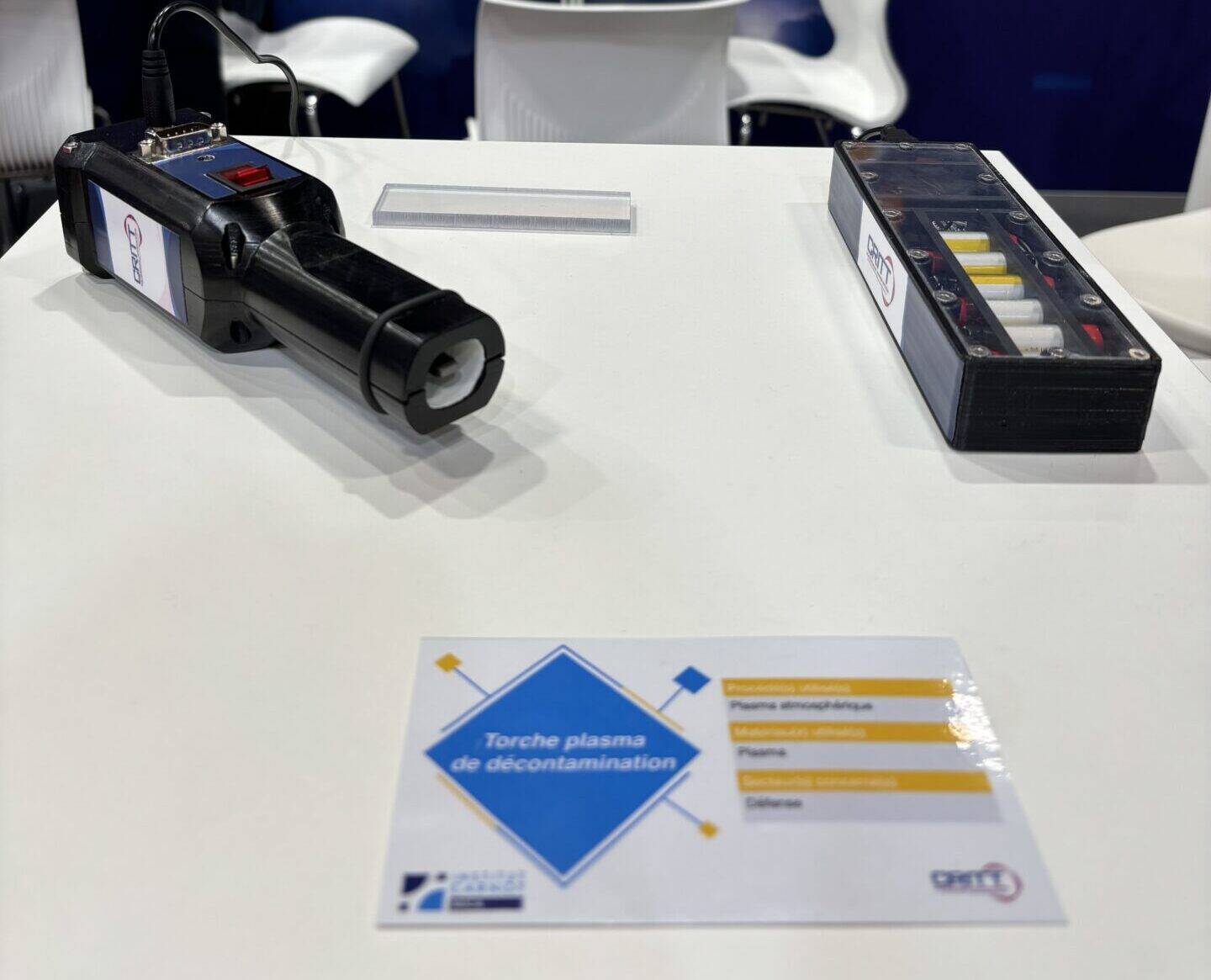
We exploit plasma properties to develop surface treatments tailored to industrial needs. These processes improve adhesion, corrosion resistance, and hydrophobicity while limiting chemical usage.
Electron and X-ray irradiation
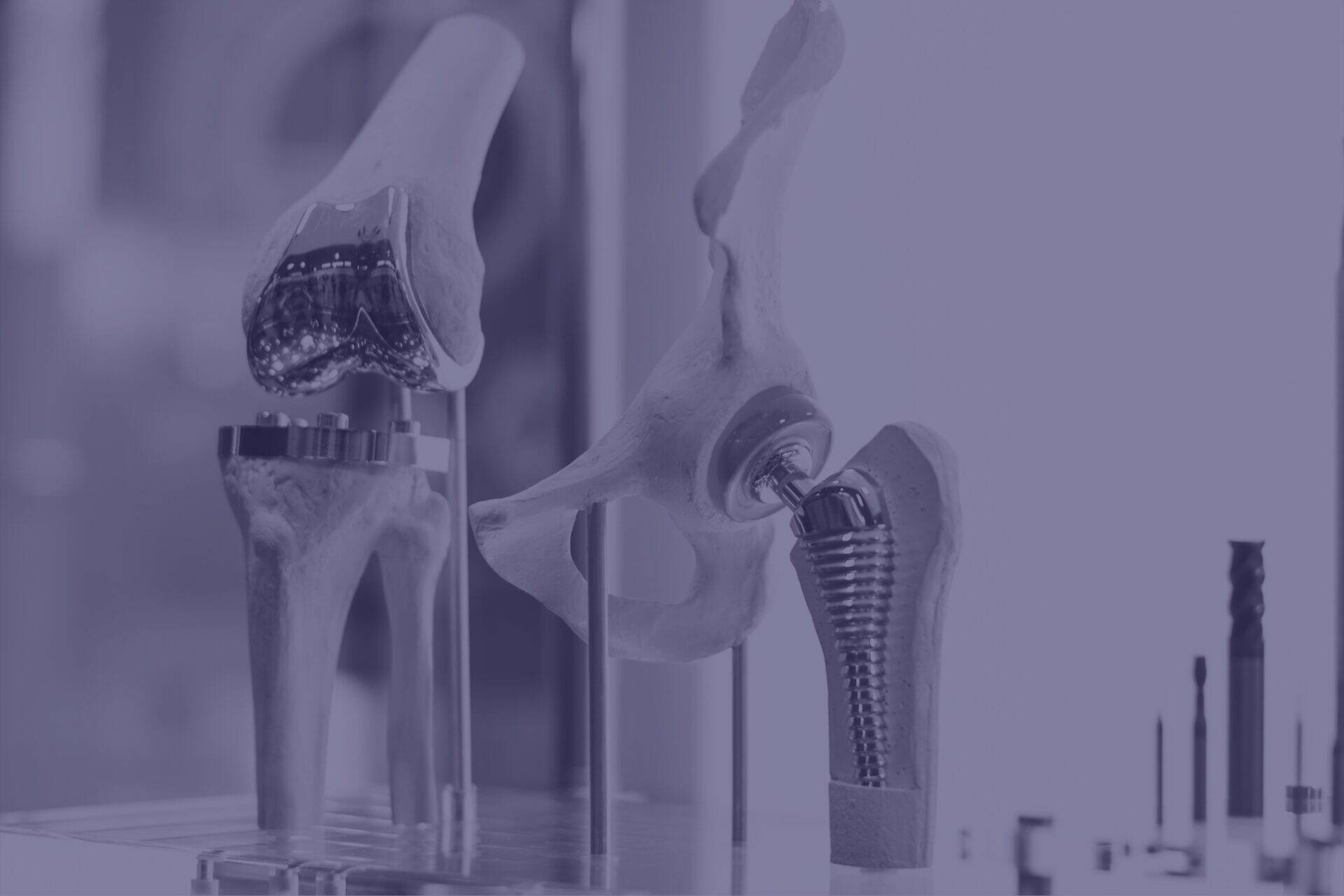
Carnot MICA uses irradiation technologies (electrons, X-rays, etc.) to modify the internal properties of materials. These approaches enhance mechanical strength, sterilize, or structure polymers and composites, with applications in industry, energy, and healthcare.
Towards new material functionalities
By combining light, laser, plasma, and irradiation, we develop materials with unprecedented functionalities: self-cleaning surfaces, reinforced polymers, or high-reliability systems. These solutions offer competitive advantages in sectors where innovation is critical, such as mobility, energy, and defense.
Would you like to discuss tailored support?
We are here to answer your questions
This involves the use of radiation (UV, laser, plasma, electrons, X-rays) to modify or activate materials. These are the technologies we use to make materials and surfaces functional or smart.
We use photopolymerization, laser treatments, plasma technologies, and electron or X-ray irradiation.
Benefits are numerous: first, they support industrial energy transition; second, they provide higher precision, reduce material waste, and enable the development of new material properties.
All sectors can benefit from these new technologies without exception.
A multi-sector offering
Carnot MICA operates in 8 strategic sectors. By working with companies, we understand their specific challenges and develop solutions for light–matter interaction applications. Our sector-specific proximity allows us to support innovation where it creates the most value.