Ressource Publié le 12/05/2026

Cross Interview – LabCom Bio@Tex: Pierre Schmitt, Jacques Lalevée, Lionel Limousy
  • Industrie
  • Mobilités
  • Énergie et environnement
  • Mode et Luxe
  • Essais, durabilité et performances
  • Transfert de technologies
  • Alternatives performantes et durables
  • Matériaux sur-mesure
labcom-biotec.jpg labcom-biotec.jpg

In 2022, driven by Carnot MICA, the Alsatian textile company Emanuel Lang (Velcorex/Emanuel Lang Group) and the Institute of Materials Science of Mulhouse (IS2M) launched their first joint laboratory after winning a call for projects from the French National Research Agency (ANR). Through this new LabCom, named Bio@Tex, Velcorex and IS2M aim to jointly develop new bio-based materials intended for future industrial applications.


Interview with Jacques Lalevée, Scientific Lead of the LabCom, Pierre Schmitt, President of Velcorex, and Lionel Limousy, Director of Carnot MICA

How did the idea of a joint laboratory come about?

Pierre Schmitt:
Our region has historically been a place of strong collaboration between research laboratories and industry. While the flax industry was disrupted by offshoring and the loss of expertise in textiles over the past 50 years, it has been regaining confidence over the last decade. Ultimately, it is the revival of cooperation between machinery manufacturers, farmers, weavers, and researchers that gave us all the desire to work together. The awareness of lost time, dispersed technical know-how, but also ecological challenges and dependence on oil, are the very reasons behind the creation of this LabCom. The Director of Carnot MICA was instrumental in initiating the application process for the ANR LabCom call for projects.

Lionel Limousy:
Researchers who work closely with companies, such as those within Carnot MICA, know that SMEs do not always have the resources to invest in R&D, unlike large industrial groups that dedicate significant budgets to it.

This is also what motivated us to apply to the ANR call for projects: to enable SMEs to develop R&D innovations that they would not otherwise have the means to pursue.

Jacques Lalevée:
Each year, the French National Research Agency (ANR) launches a call for proposals for joint laboratories. This provided us with a framework, a timeline, and a clear context. From the moment we responded to the call, we knew that the joint laboratory would benefit from the strengths of both founding partners: excellent ability to connect industrial and academic partners through Carnot MICA, and a strong drive for innovation through the Velcorex / Emanuel Lang group.
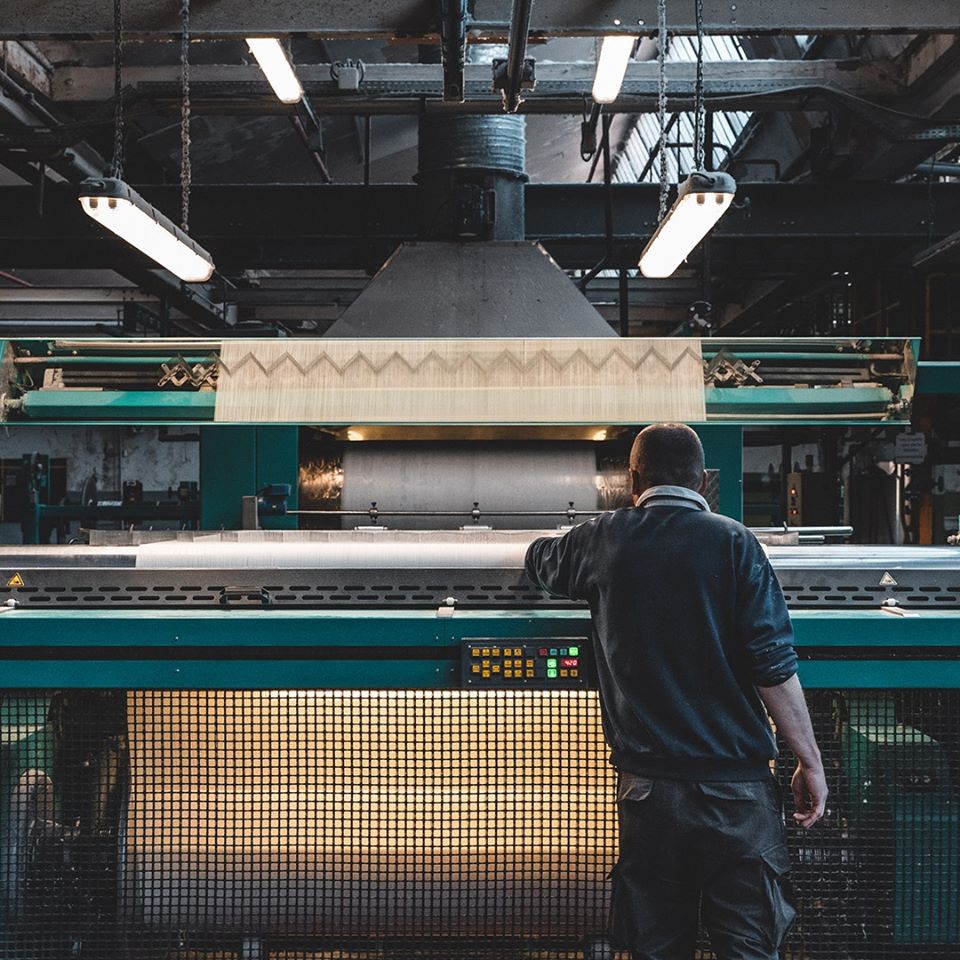
labcom-bio@tec-interview-croisée

©Emanuel Lang

In what ways does collaborative research act as a driver of innovation?

Jacques Lalevée:
We have a strong understanding of synthetic materials, but this is less true for natural ones. Despite the strong potential of flax, European chemistry has paid less attention to this textile compared to others. As a result, its properties remain poorly understood. This is precisely where the innovation driver of this partnership lies. The goal is both to provide answers to urgent questions—such as fibre characterization and positioning flax compared to synthetic benchmarks—and to develop new products in the short, medium, and long term.

Pierre Schmitt:
It is important to briefly recall the history of flax. While today we mainly develop synthetic fibres or cotton, the 19th century was actually the century of flax development, innovation, and progress. This joint laboratory will help us catch up on lost time and compensate for what was not achieved throughout the 20th century.

In contrast, some countries such as the UK or Switzerland, which do not have the same natural advantages as France, are already much more advanced. There is therefore a sense of urgency that must be acknowledged in France.

Reviving this dynamic around flax cultivation is a major challenge that cannot be achieved overnight. It requires mobilizing all available expertise. The State will certainly play a role, but we are already leading by example through the creation of this LabCom.

Lionel Limousy:
This LabCom is also important for collaborative research in terms of its organizational and operational model. We are not operating in a traditional “order–execution–delivery” logic with no continuity between projects. Instead, exchanges are constant between LabCom members. Staff work across both sites seamlessly.

What better framework than a joint laboratory to relearn how to work together?

Dans quelles mesures la recherche partenariale constitue-t-elle un levier d’innovation ? Jacques Lalevée : Si nous en savons beaucoup sur les matières synthétiques, c’est moins le cas pour les matières naturelles. En effet, malgré le grand intérêt du lin, la chimie européenne s’est moins intéressée à ce textile qu’à d’autres. Ses propriétés sont donc mal connues. C’est ça, le levier d’innovation de ce partenariat. L’objectif est d’avoir à la fois des réponses aux questions urgentes – caractérisation des fibres, positionnement du matériau par rapport à d’autres références synthétiques – et de développer de nouveaux produits, à court, moyen et long termes. Pierre Schmitt : Il faut rappeler, en quelques mots, quelle a été l’histoire du lin. Si aujourd’hui, nous développons essentiellement des fibres synthétiques ou du coton, il faut rappeler que le XIXème siècle fut le siècle du développement, des innovations et des progrès liés au lin. Ce laboratoire commun permettra de rattraper le temps perdu et de compenser ce que nous n’avons pas su réaliser tout au long du XXème siècle. À l’inverse, certains pays, comme le Royaume-Uni ou la Suisse, qui n’ont pas les mêmes atouts que nous, sont bien plus avancés. Il y a donc un caractère d’urgence qu’il nous faut prendre en compte en France. Réhabiliter cette dynamique autour de la culture du lin est un grand défi qui ne se relève pas du jour au lendemain. Il faut désormais mobiliser toutes les compétences : l’Etat interviendra, c’est certain, mais nous montrons d’ores et déjà l’exemple avec, à notre échelle, la création de ce Labcom. Lionel Limousy : Ce LabCom est également important pour la recherche partenariale au regard de son modèle organisationnel et fonctionnel. Nous ne sommes pas dans une logique de commande, réalisation, livraison, sans continuité dans les projets. Les échanges sont permanents entre les membres du LabCom. Les personnels sont chez eux sur les deux sites. Quoi de mieux qu’un laboratoire commun pour que chacun réapprenne à travailler avec l’autre ?

In what ways does collaborative research act as a driver of innovation?

Jacques Lalevée:
We have strong knowledge of synthetic materials, but this is less true for natural ones. Despite the strong potential of flax, European chemistry has shown less interest in this textile compared to others, meaning its properties remain poorly understood. This is precisely where the innovation driver of this partnership lies. The goal is both to address urgent questions—such as fibre characterization and positioning the material against synthetic benchmarks—and to develop new products in the short, medium, and long term.

Pierre Schmitt:
It is important to briefly recall the history of flax. While today we mainly develop synthetic fibres or cotton, the 19th century was a period of major development, innovation, and progress linked to flax. This joint laboratory will help us catch up on lost time and compensate for what was not achieved throughout the 20th century.

In contrast, some countries such as the United Kingdom or Switzerland, which do not have the same natural advantages as France, are already much more advanced. There is therefore a sense of urgency that must be acknowledged in France.

Reviving this dynamic around flax cultivation is a major challenge that cannot be achieved overnight. It requires mobilizing all available expertise. The State will certainly play a role, but we are already leading by example at our level through the creation of this LabCom.

Lionel Limousy:
This LabCom is also important for collaborative research in terms of its organizational and operational model. We are not in a traditional “order–execution–delivery” logic with no continuity between projects. Exchanges are continuous between LabCom members, and staff work across both sites.

What better way to relearn how to work together than through a joint laboratory?

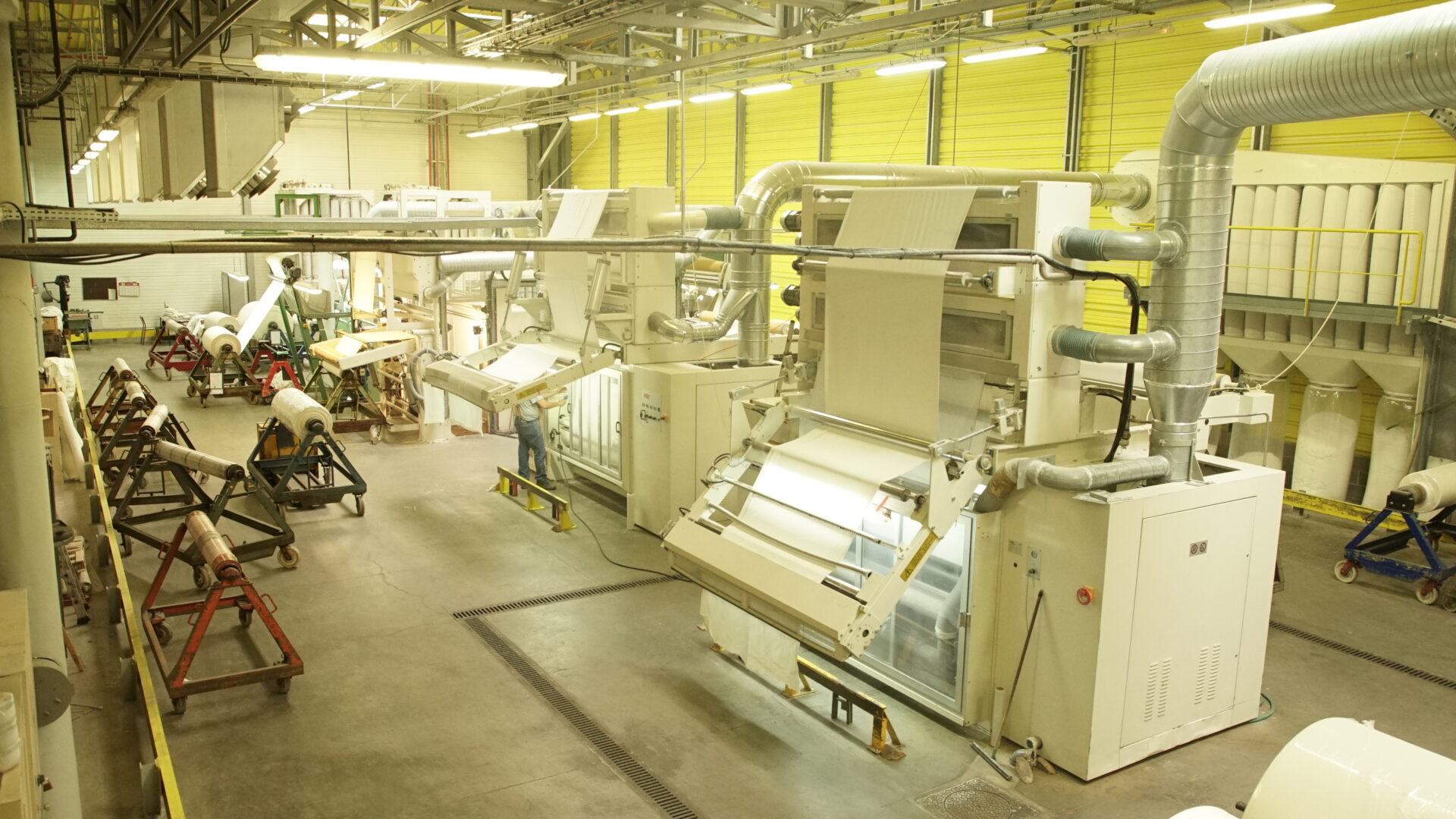
labcom-bio@tec-interview-croisé

©Emanuel Lang

What will be the first priorities of this joint laboratory?

Jacques Lalevée:
The first major task will be to characterize flax and study its properties and performance.

We will then identify and map potential applications: those where this textile can be used quickly, those requiring more time, and those that must be excluded because flax properties would not be suitable. This mapping work is precisely why we created the LabCom.

Finally, and only after these steps, we will be able to identify the sectors in which we can further develop and optimize the material: automotive, transport, housing, and so on. We cannot target all sectors, but with a clear vision, long-term thinking, and strong human commitment, we can go very far.

Once these initial stages are completed, as in any living system, we will be guided by results and opportunities.

Pierre Schmitt:
It is precisely these opportunities that will allow us to take a leadership position in this emerging industry.

We want to be able, very quickly, to present a few prototypes—even if they are not yet fully finalized—to our customers. Before producing finished products, we aim to develop prototypes as soon as initial laboratory results are available. It is much easier to move toward industrial production when a prototyping platform already exists. This is a key link between research and industry.

We want to shake up the industrial landscape and imagine a wide range of products. We must showcase our expertise and full mastery of the value chain, which is a real strength of the Mulhouse region. This is also why we will be present at the JEC World trade show in early May, to engage and reassure our future customers.

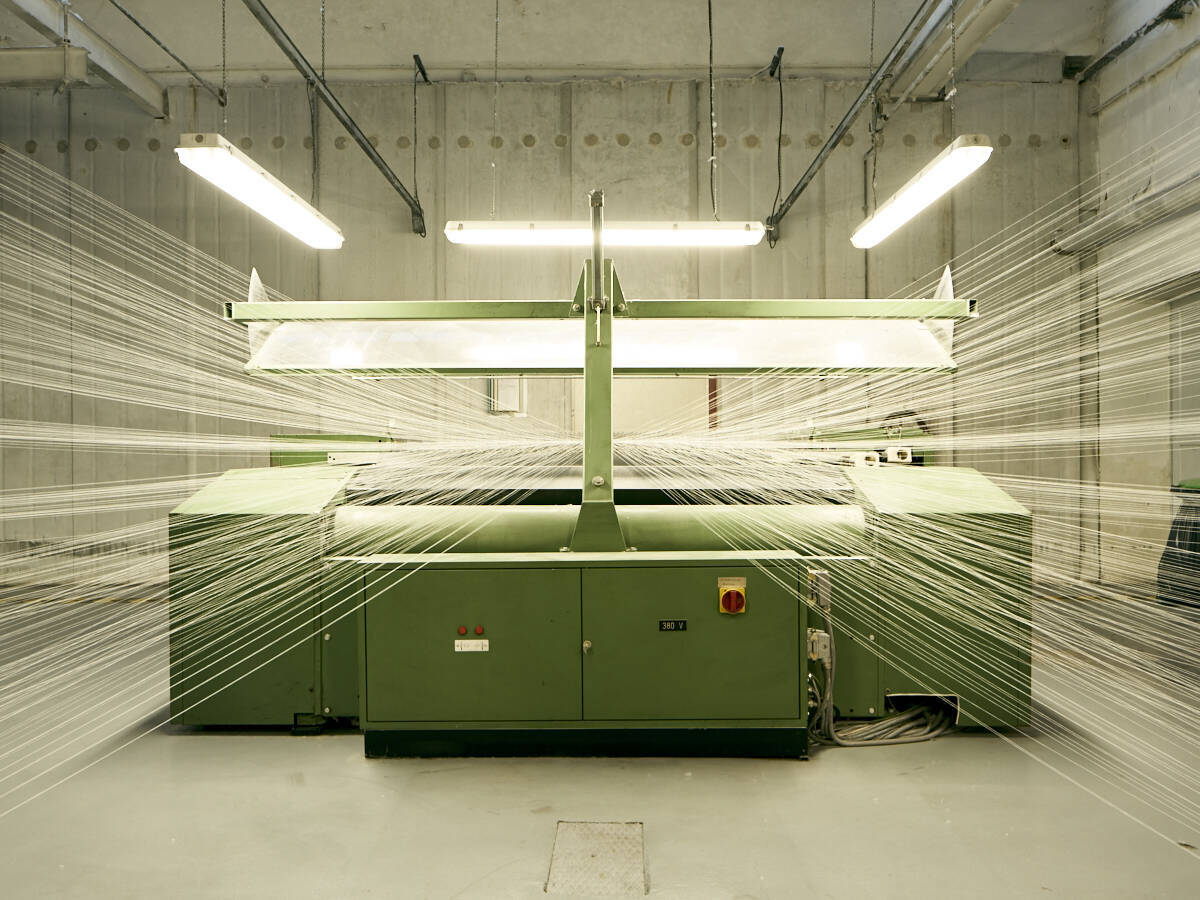
labcom-bio@tec-interview

©Velcorex


Need some support ?
You can contact Carnot MICA using the form below. We will respond as soon as possible.