Swall-E
An essential simulator for analyzing human swallowing
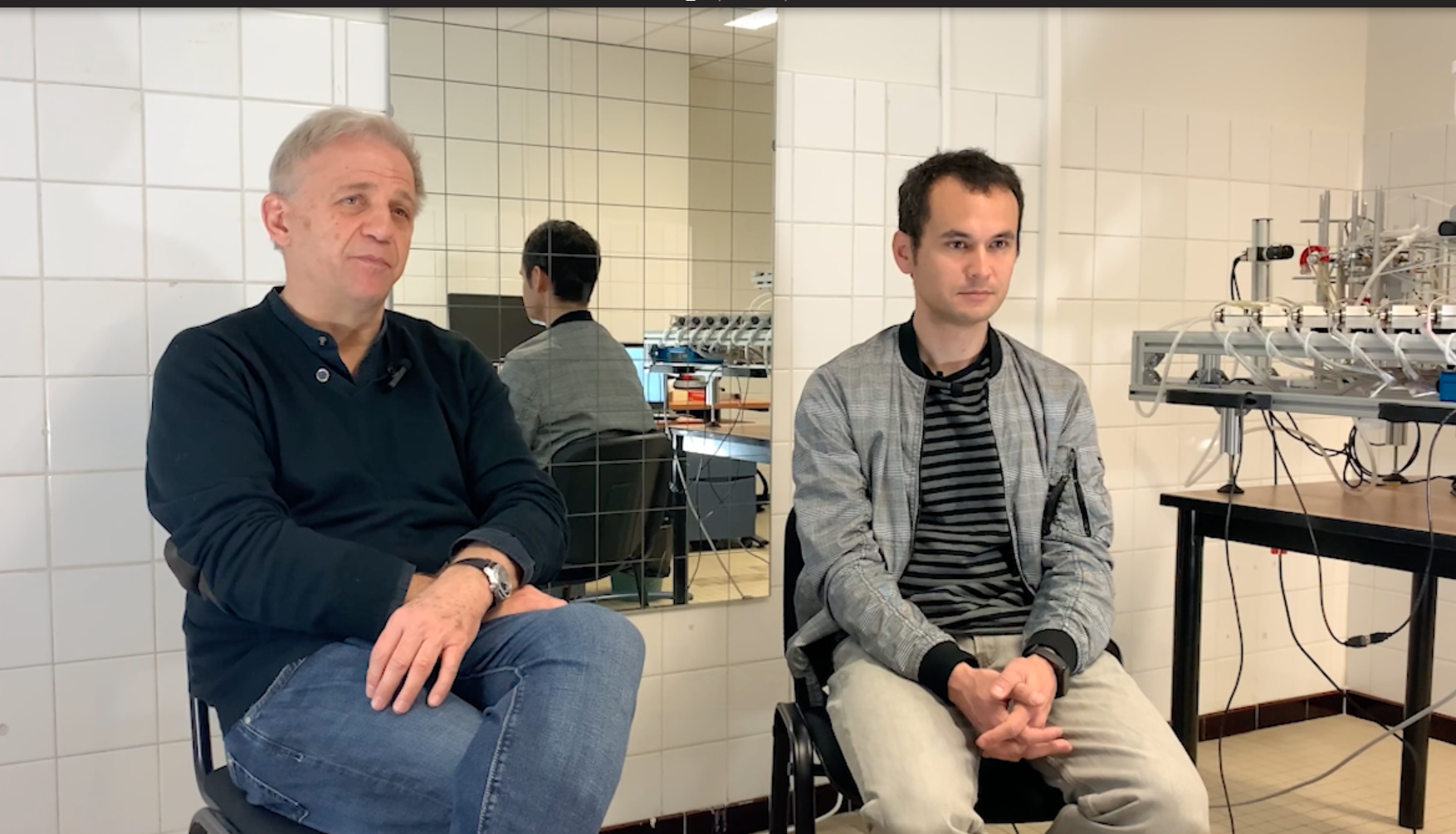
The Swall-E project is now a strategic tool for understanding and optimizing swallowing mechanisms. Developed by Christian Debry, Head of ENT and Head & Neck Surgery at Strasbourg University Hospital, and Yo Fujiso, R&D engineer at INSERM — a member of Carnot MICA, this demonstrator addresses a major limitation in research: the inability to precisely visualize internal mechanical interactions during swallowing. Thanks to a reproducible, testable and scalable simulator, Swall-E opens new opportunities for industrial players involved in medical devices, robotic solutions, biomaterials and mechatronics applied to living systems.
Swallowing: clinical and industrial challenges around Swall-E
The restoration of an artificial larynx primarily faces the challenge of swallowing, a complex process fully controlled by the brainstem. Historically developed devices did not guarantee the complete absence of aspiration, a major factor in swallowing-related pneumonia. In R&D, these risks led to long, costly and difficult-to-optimize development cycles.
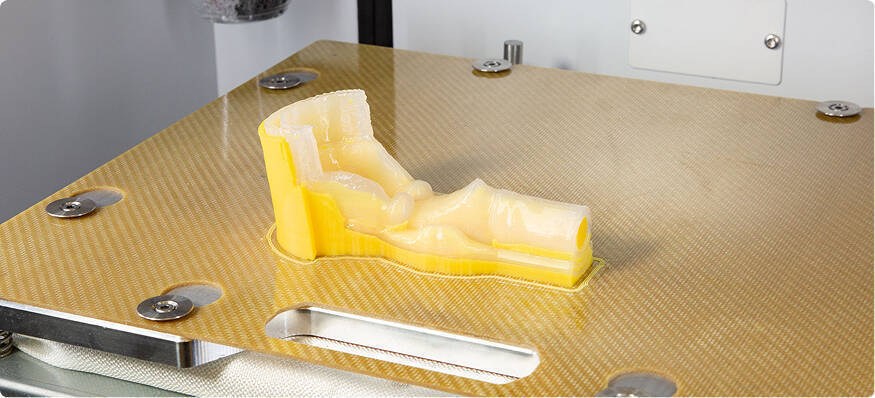
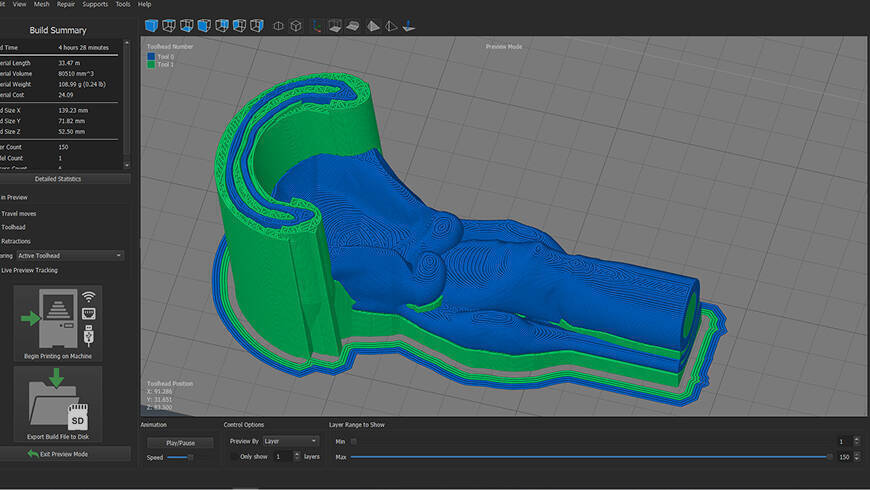
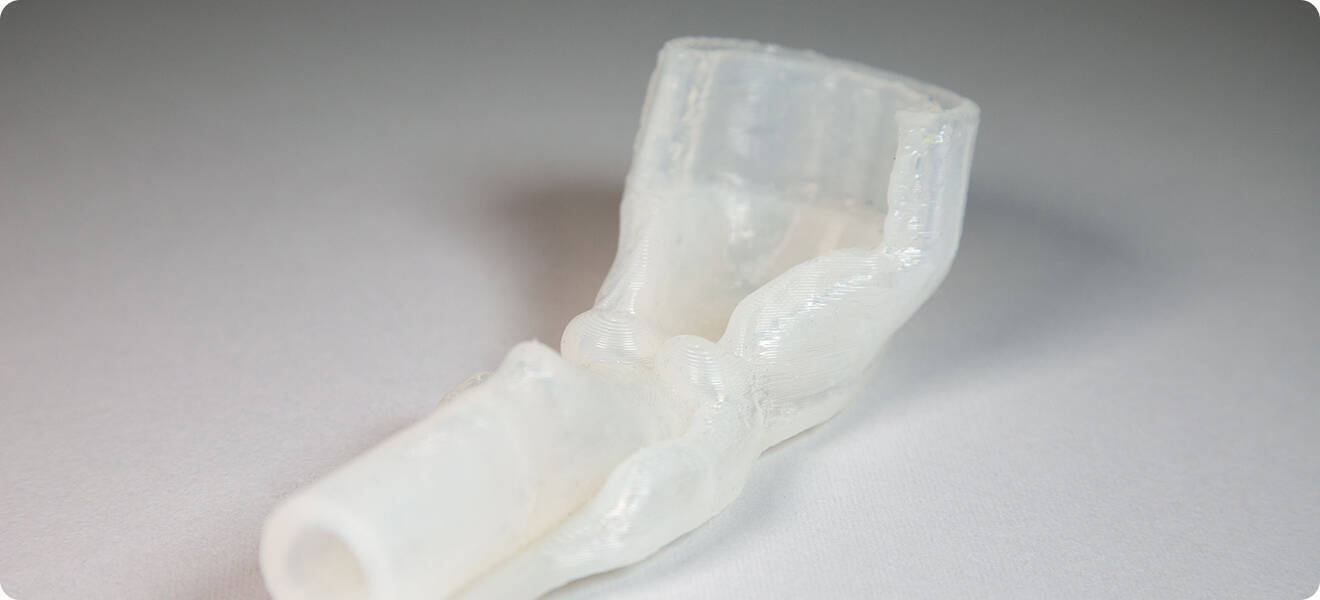
To address these constraints, Swall-E was designed as a reliable simulator capable of reproducing real swallowing conditions. It currently includes a single silicone conduit, developed in collaboration with UBSIDE, forming the first building block of a platform intended to integrate various morphologies. For industrial players, this modularity makes it possible to anticipate device performance before preclinical phases, thereby reducing time-to-market and iteration costs.
AI and modeling: how Swall-E accelerates innovation
As part of a collaboration with Carnot MICA, a machine learning algorithm is being trained to predict Swall-E’s internal movements and analyze their similarity to those of a human subject. This ability to model, compare and standardize movements paves the way for faster and more reliable validation processes.
For industrial stakeholders, integrating AI into the Swall-E project represents an opportunity to secure testing phases, improve mechanical benchmarking, and enhance the reliability of designing new devices for patients with ENT cancers or neurodegenerative diseases.