
Catalysis as a Potential Technological Solution for Hydrogen Storage
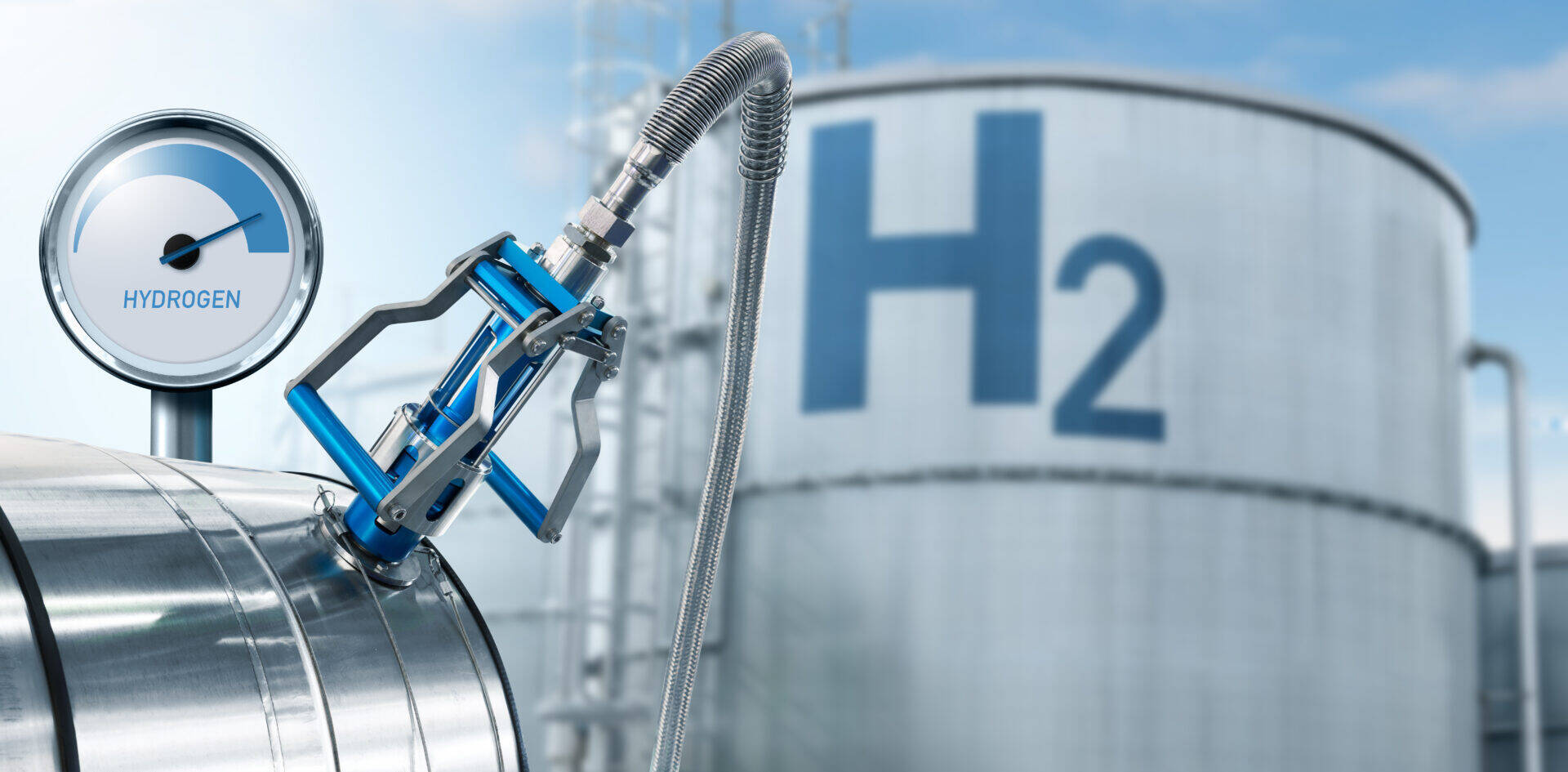
Hydrogen produced via water electrolysis is a prime candidate for the energy mix aimed at decarbonising Europe while meeting society’s energy demands. However, balancing electricity production and demand requires the availability of stable, large-scale storage solutions for decarbonised hydrogen. The MASTORHY project, funded for one year by Carnot MICA, addressed this challenge by developing a reversible catalytic process that could enable hydrogen storage and release under milder conditions than most existing technologies.
The project originated from results obtained during a PhD conducted in collaboration with the CEA, which encouraged researchers from ICPEES and IRCELYON, two Carnot MICA member laboratories, to pursue further investigations. The PhD focused on studying a bio-based LOHC pair (Liquid Organic Hydrogen Carrier) within a heterogeneous catalysis process. This LOHC system is particularly attractive as it requires less energy and offers improved process control compared with petroleum-based equivalents. At the conclusion of the PhD, researchers successfully developed a reaction scheme and its corresponding kinetic model. Recognising the potential of this LOHC pair, the MASTORHY project aimed to study and optimise the catalytic process in order to achieve an efficient hydrogenation and dehydrogenation system.
Major Advances in Liquid Hydrogen Storage:
Within one year of development, the research teams demonstrated the feasibility of hydrogen storage and release in a liquid-phase LOHC system using reversible catalysis. This was achieved through the development of a bimetallic material based on copper and cobalt, implemented in a semi-closed liquid/gas reactor operating at pressures up to 50 bar. This expertise is now available for new research projects. The results obtained are highly promising and are expected to contribute to further technological advances in hydrogen storage, supporting the development of decarbonised energy solutions.