
OLEOGEL2: An innovation designed to enhance the natural texture of products
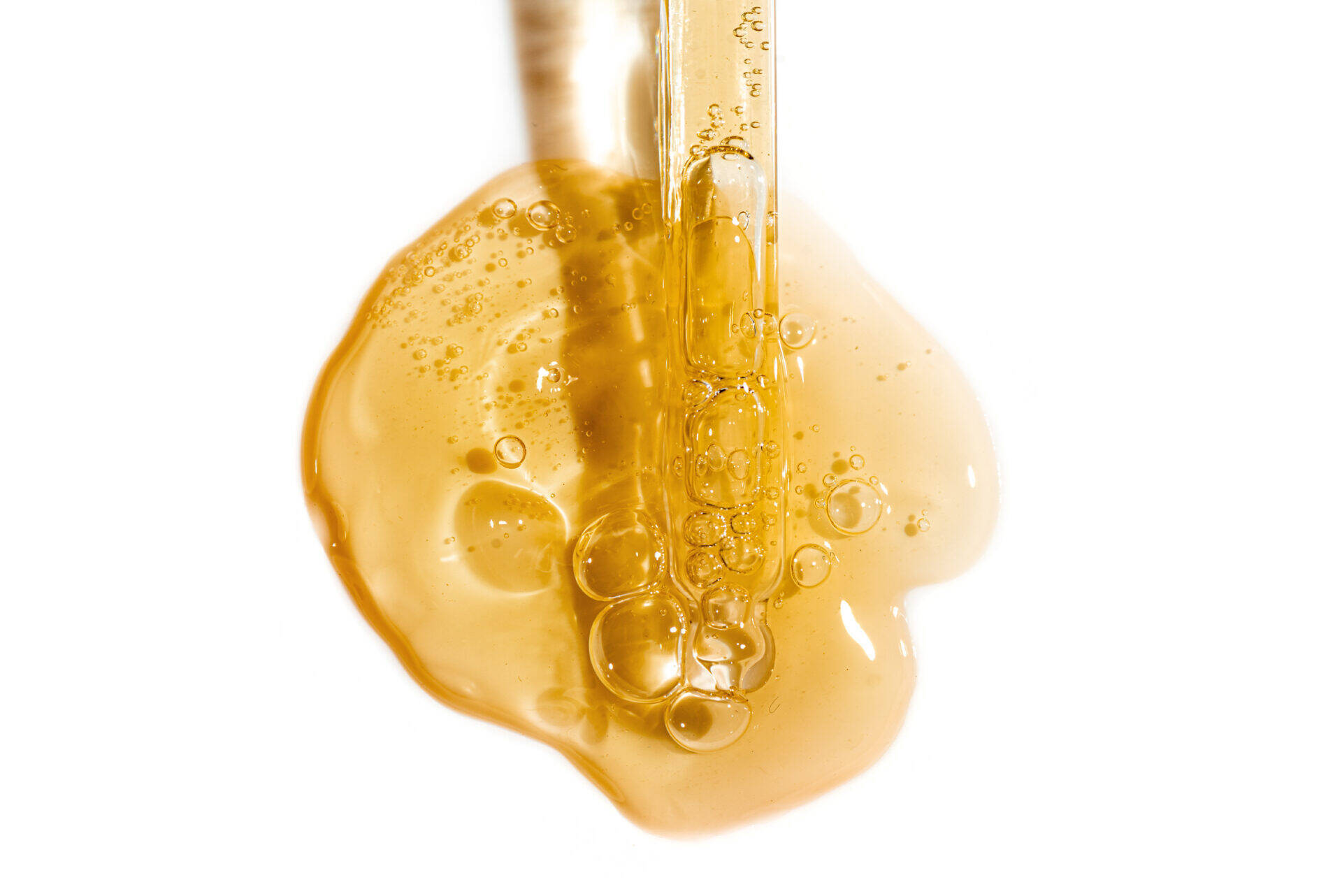
Developing natural alternatives for structuring vegetable oils
The OLEOGEL2 project, carried out at the Institut Charles Sadron (ICS) and supported first by Carnot MICA and then by Conectus, focuses on developing new natural gelling agents for vegetable oils, for both the food and cosmetics sectors. Led by researcher Philippe Mésini, it is part of an applied research approach aimed at meeting manufacturers’ growing demands for naturalness and performance.
The problem behind the project is well identified: industries still rely heavily on animal fats or controversial vegetable oils, such as palm oil, to give their products texture. While alternatives exist, such as cocoa butter or shea butter, they remain expensive and difficult to source on a large scale. In addition, the synthetic gelling agents available on the market, such as certain polymers, do not meet today’s consumer expectations for natural ingredients. Natural solutions for gelling vegetable oils therefore remain few in number and insufficiently effective.
More effective organogelators of natural origin
The approach developed by Philippe Mésini and his team is based on the synthesis of organogelators of natural origin, capable of structuring vegetable oils and organic solvents and giving them texturing properties comparable to those of traditional solid fats. Compared with existing solutions, these organogelators stand out for their high naturalness index and greater efficiency. This dual advantage is a significant asset with a view to industrialisation.
From formulation development to prototypes
The project was carried out in two phases. The first validated the initial scientific hypothesis through the synthesis and testing of several newly developed molecules. The second phase, OLEOGEL2, focused on measuring the properties involved in processing: the texturing properties of the agents and the formation and melting temperatures of the gels. These measurements were made for different use concentrations, from 1 to 30 g/L, and for different gel preparation methods. This second phase led to the maturation project GELLISSIME, supported by Conectus and the French State through the Agence Nationale de la Recherche under France 2030, ASTRAGAL, reference “ANR-21MATP-0304”, which refined the formulations and developed prototypes representative of finished products, such as cosmetic creams, lipsticks and food applications. These prototypes were tested, and the feedback proved promising.
Prospects for the food, cosmetics and biomedical industries
Beyond the food and cosmetics sectors, this work opens up application prospects in other fields with high technological stakes, notably biomedicine and the lubricants industry, where demand for high-performance natural gelling agents is also growing.
Partners: Institut Charles Sadron (ICS), Conectus, Carnot MICA